Code Immersion Program
(May 1st - November 21 2021)
LA 2050 Grant
This program was made possible by the Snap Foundation and its partnership with the LA2050 organization. Together they pledged to support projects that develop pathways to the creative economy for underrepresented youth in Los Angeles. We were both grateful and honored to receive $75,000 in financial support for our Computer Science enrichment classes designed to target the young people of South Los Angeles.
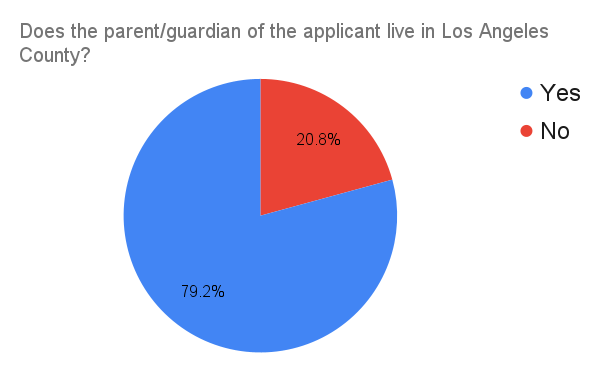
Our program received 66 applications. We offered our workshops on-line, so we were able to accommodate anyone who expressed strong interest in technology. 80% of our applicants resided in LA County. LA residents were eligible to receive an equipment grant to enable a remote learning experience. Our students were split into 4 sections. Three sections were for our 7-12 year old students and one section for our older 13-17 year old kids. All our students were exposed to the Java programming language, the PlayCanvas game development platform and MIT’s Scratch visual programing environment. The guided and structured exposure to these development platforms, ultimately resulted in students exploring the joys of software engineering on there own time. Several of our parents reported that their children were compelled to spontaneous tinkering with Java, PlayCanvas or Scratch outside of scheduled class time. We are proud of the positive impact we impart on our young scholars. Please join us in celebrating the outstanding educational and creative accomplishments of our young scholars! Well done, Los Angeles. Well done!
Equipment Grant
We would like to send a very special thanks to Carlos Malacon, as well as, Melissa Robinette, Darius Garcia, Veronica Davis, Grace Nakyanja and Edward Amaral, at T-Mobile and Derrick Carson at Mobilfy, for their extraordinary generosity and their continued commitment to helping the young people of South Los Angeles excel in life and in learning. T-Mobile (and sell-with partner Mobify) provided the internet hotspots and data service for our students.
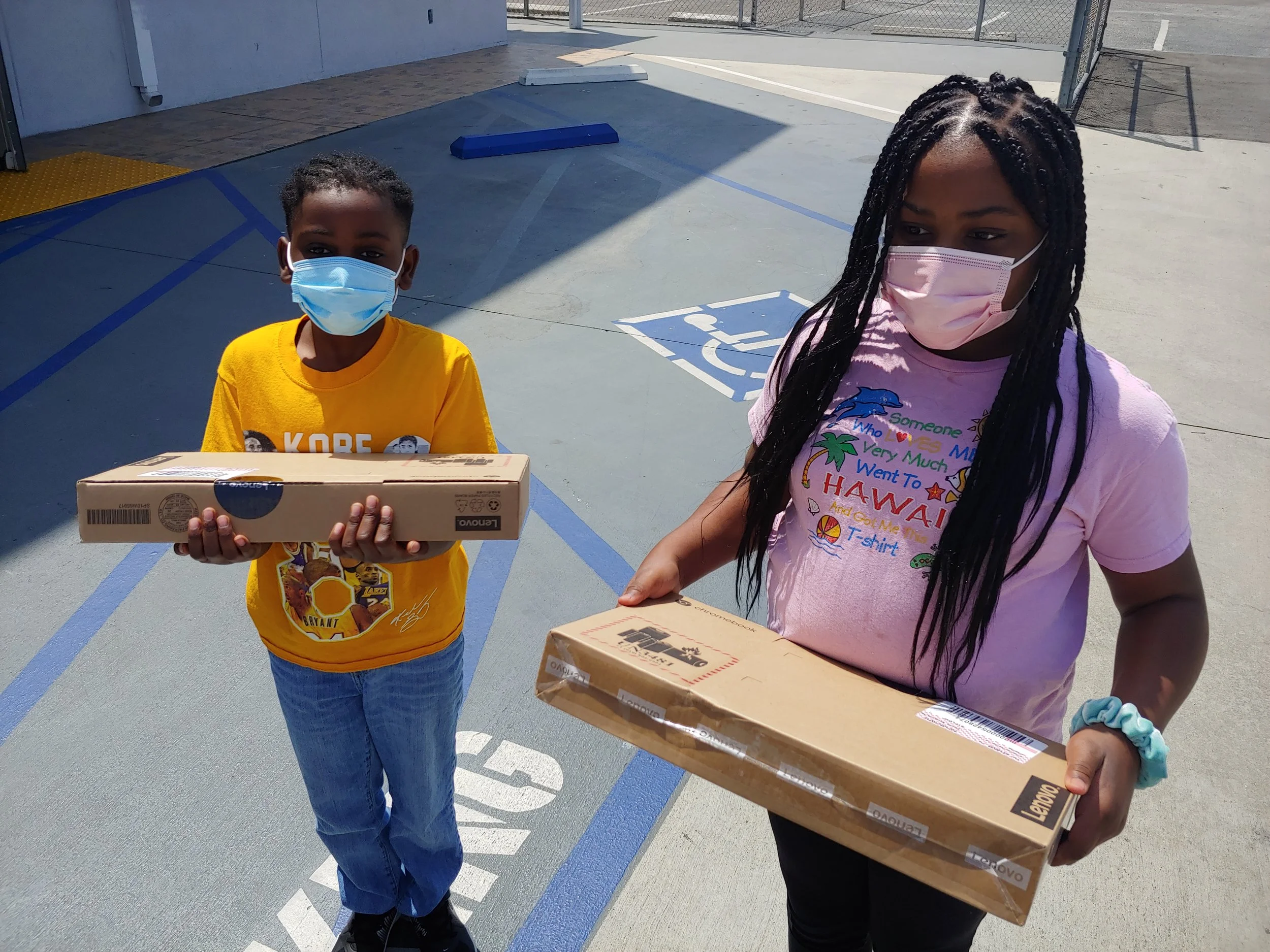
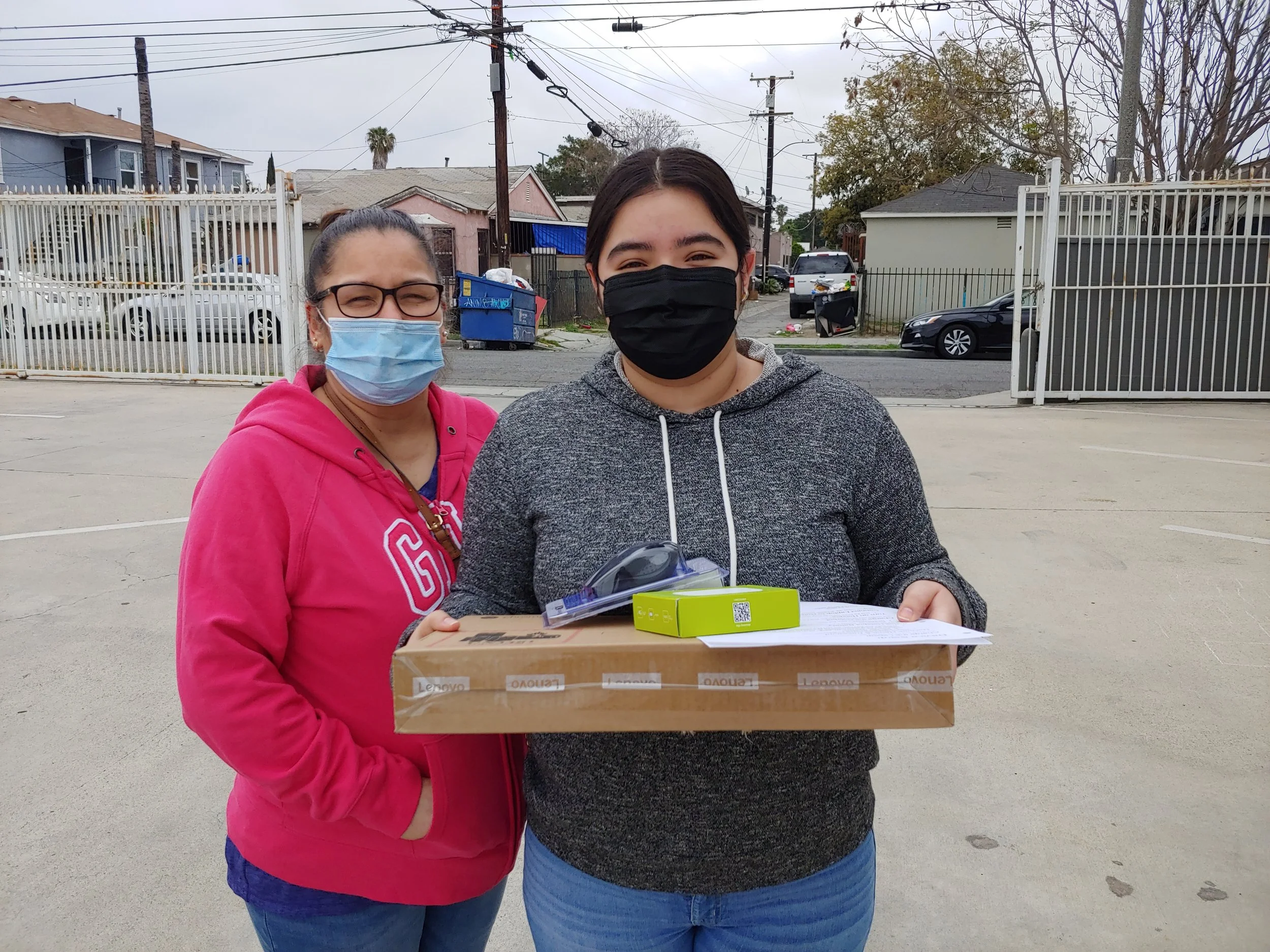
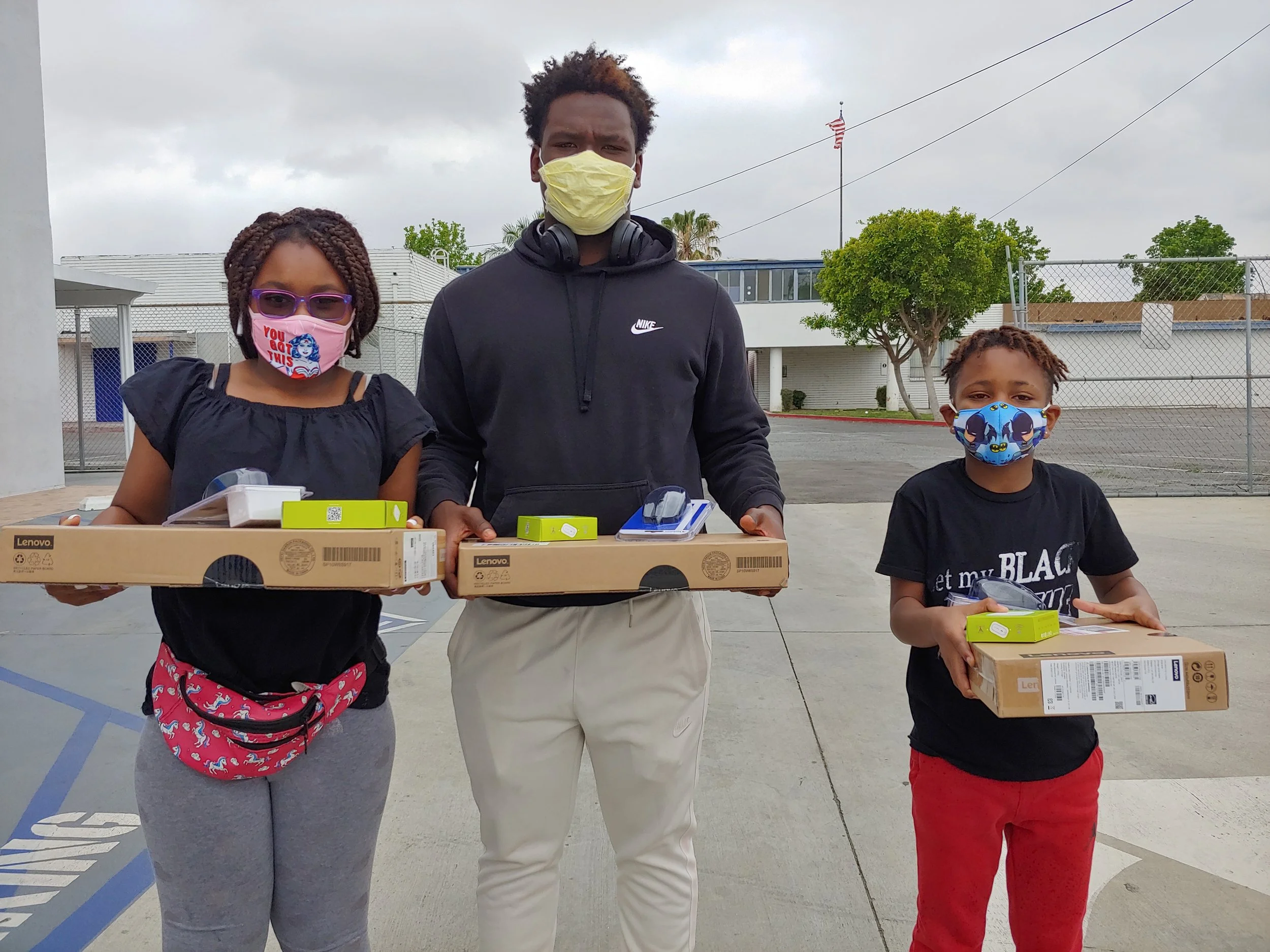
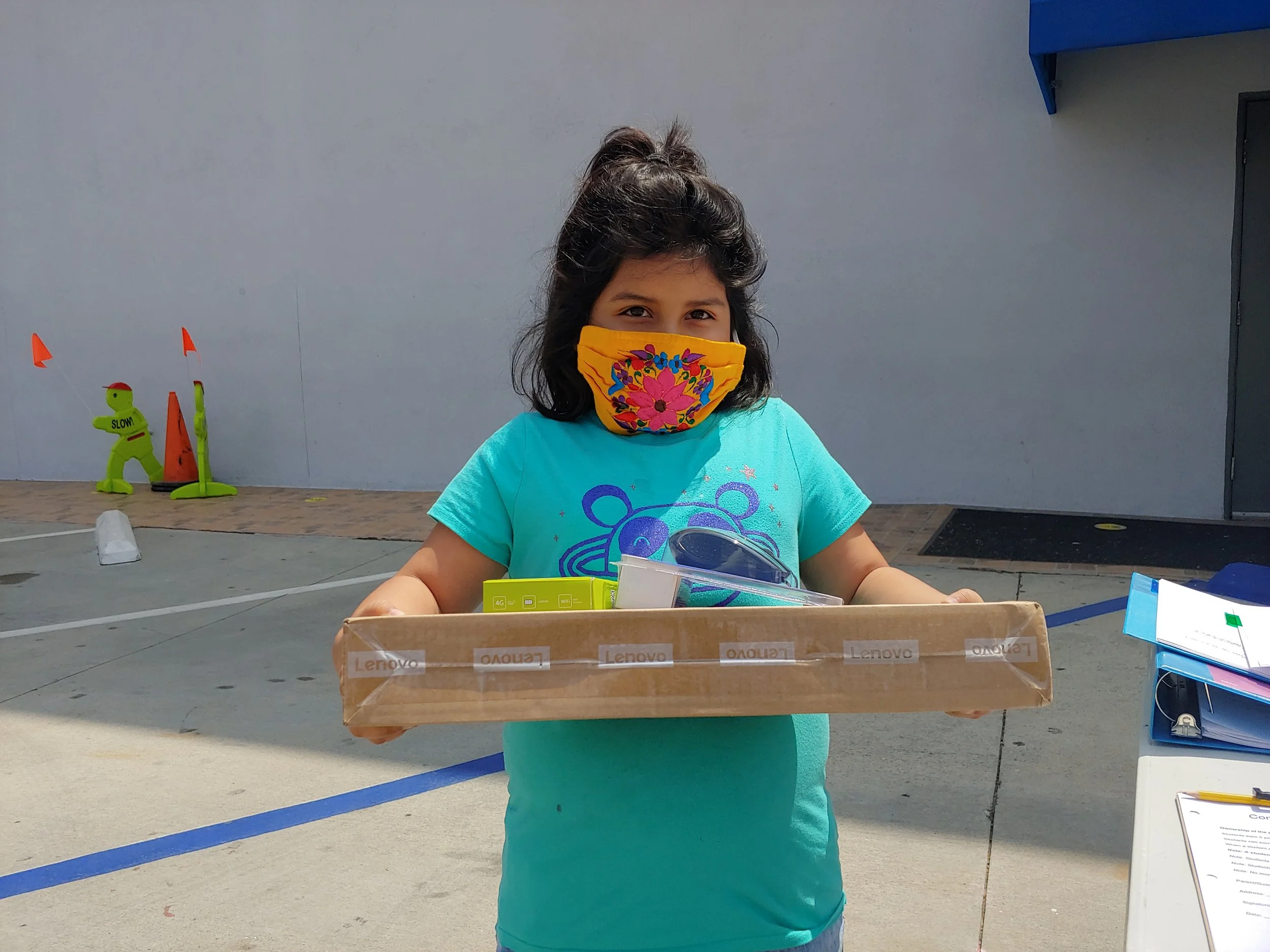
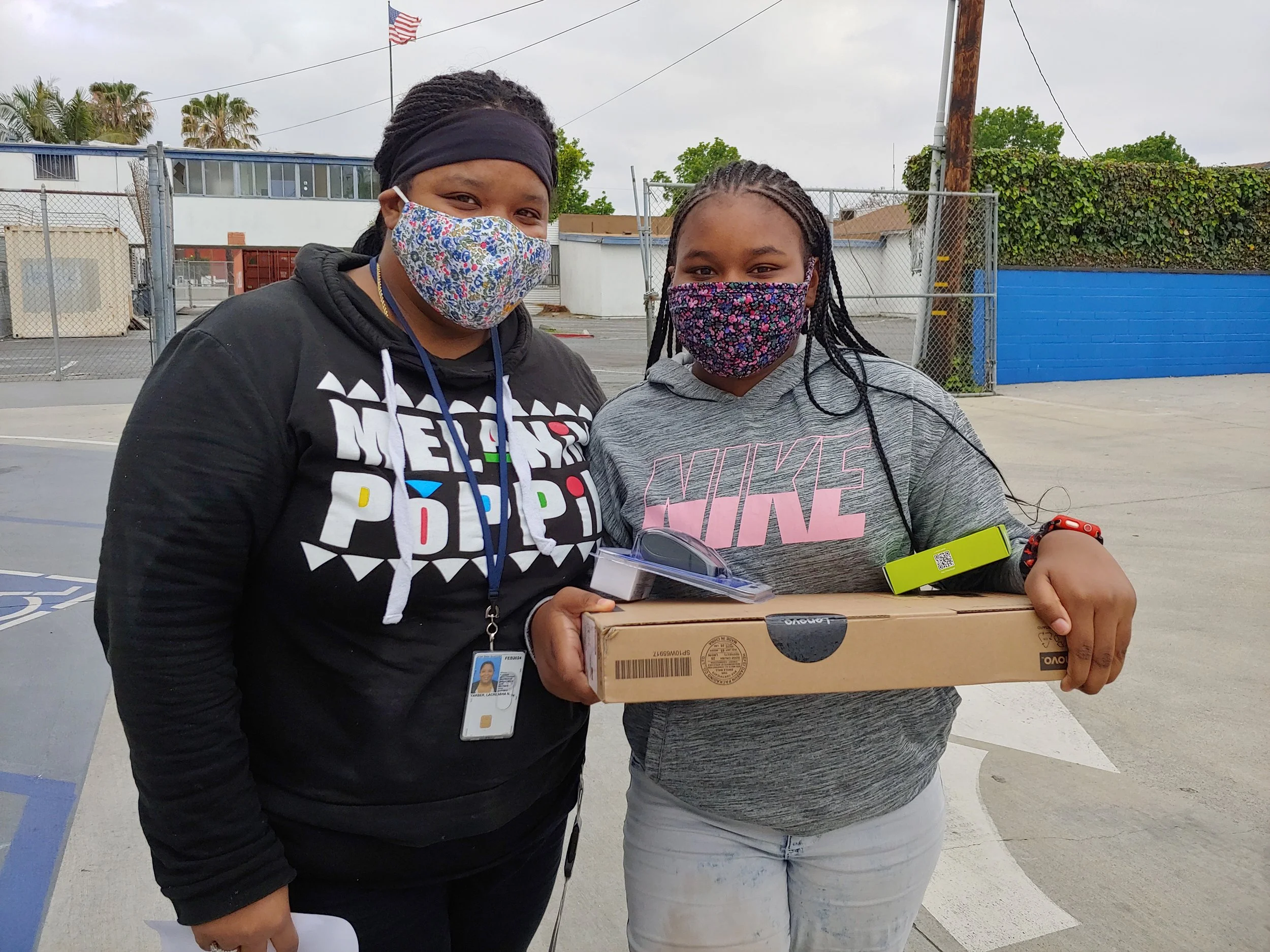
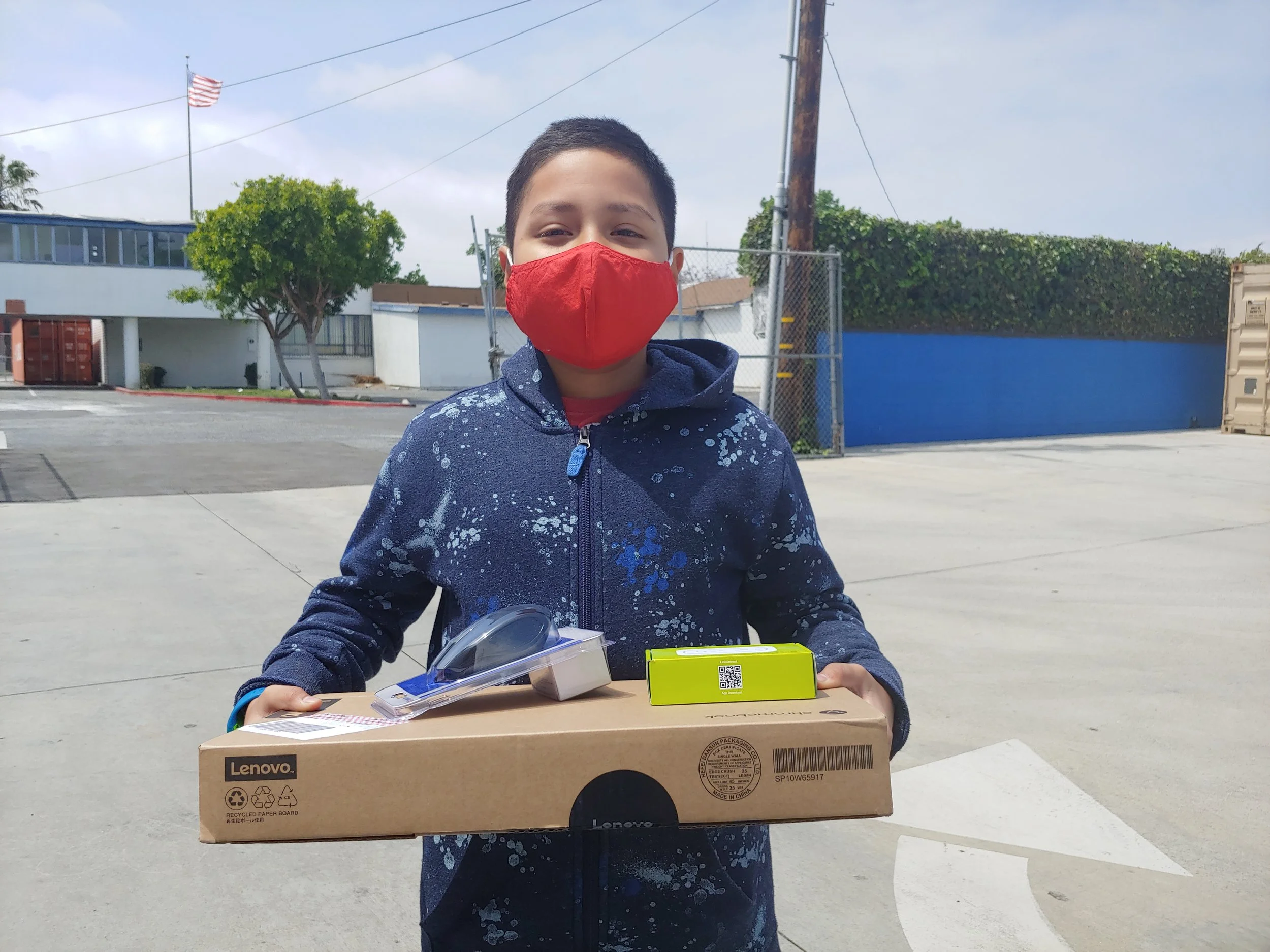
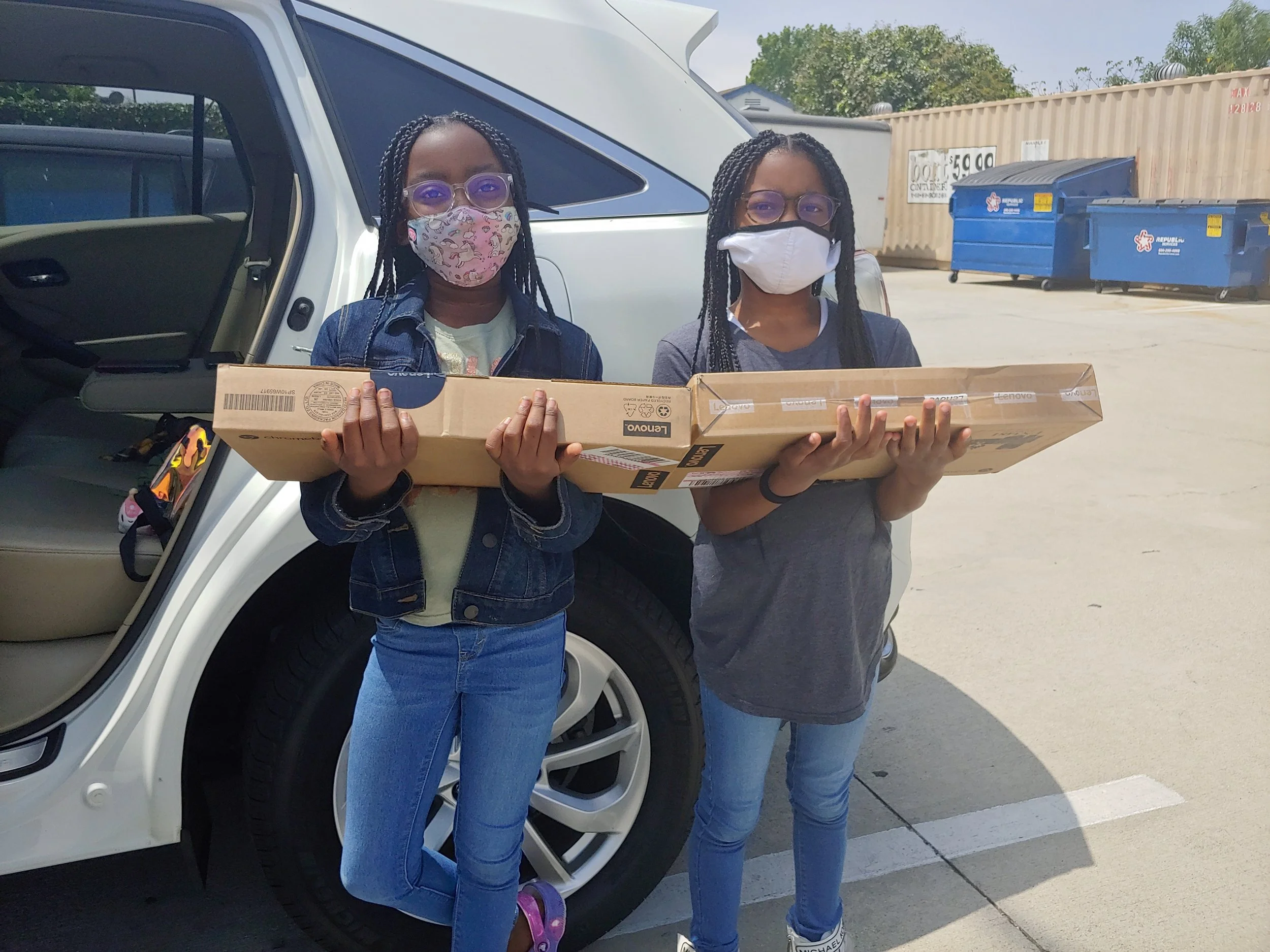
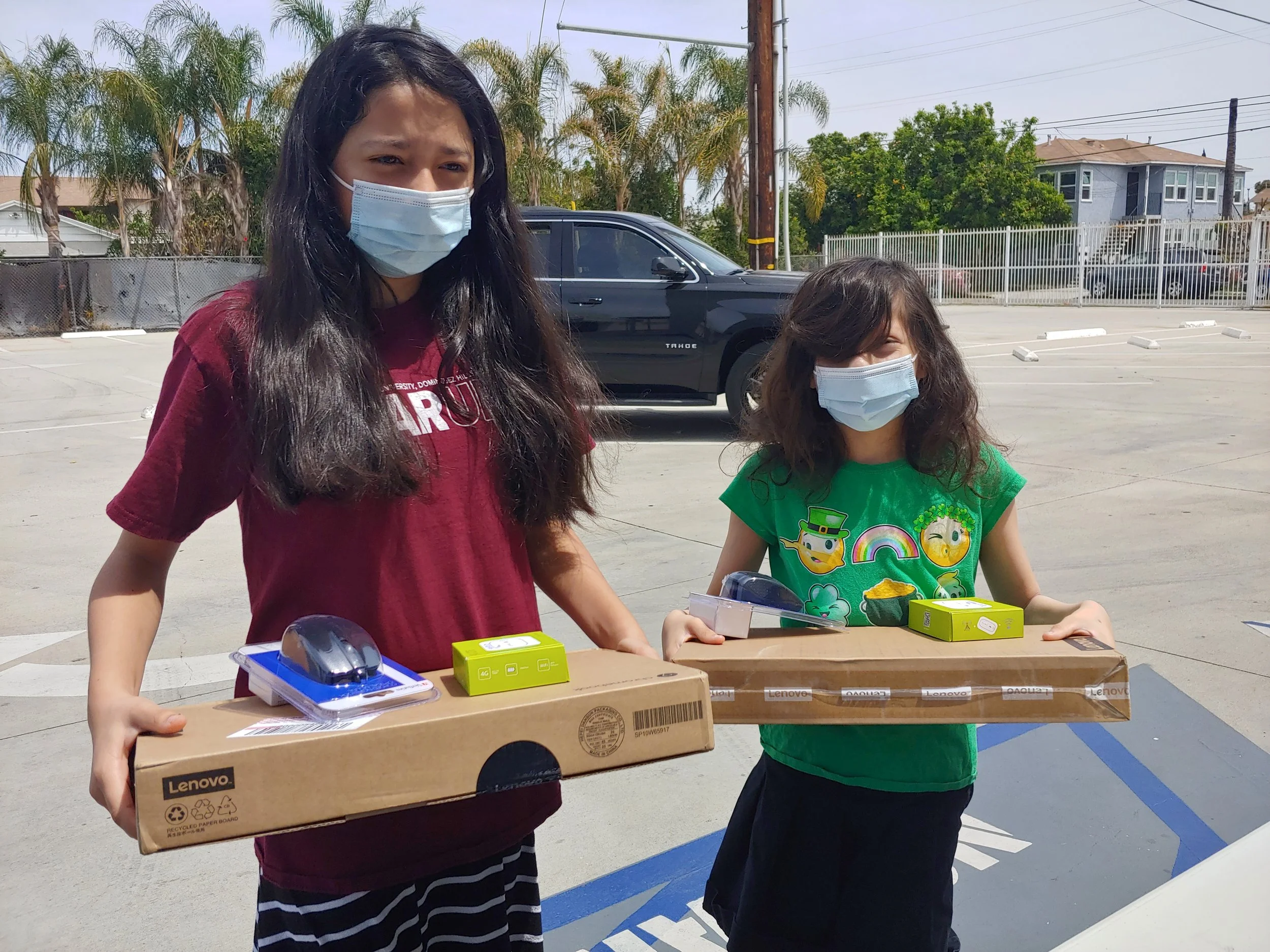
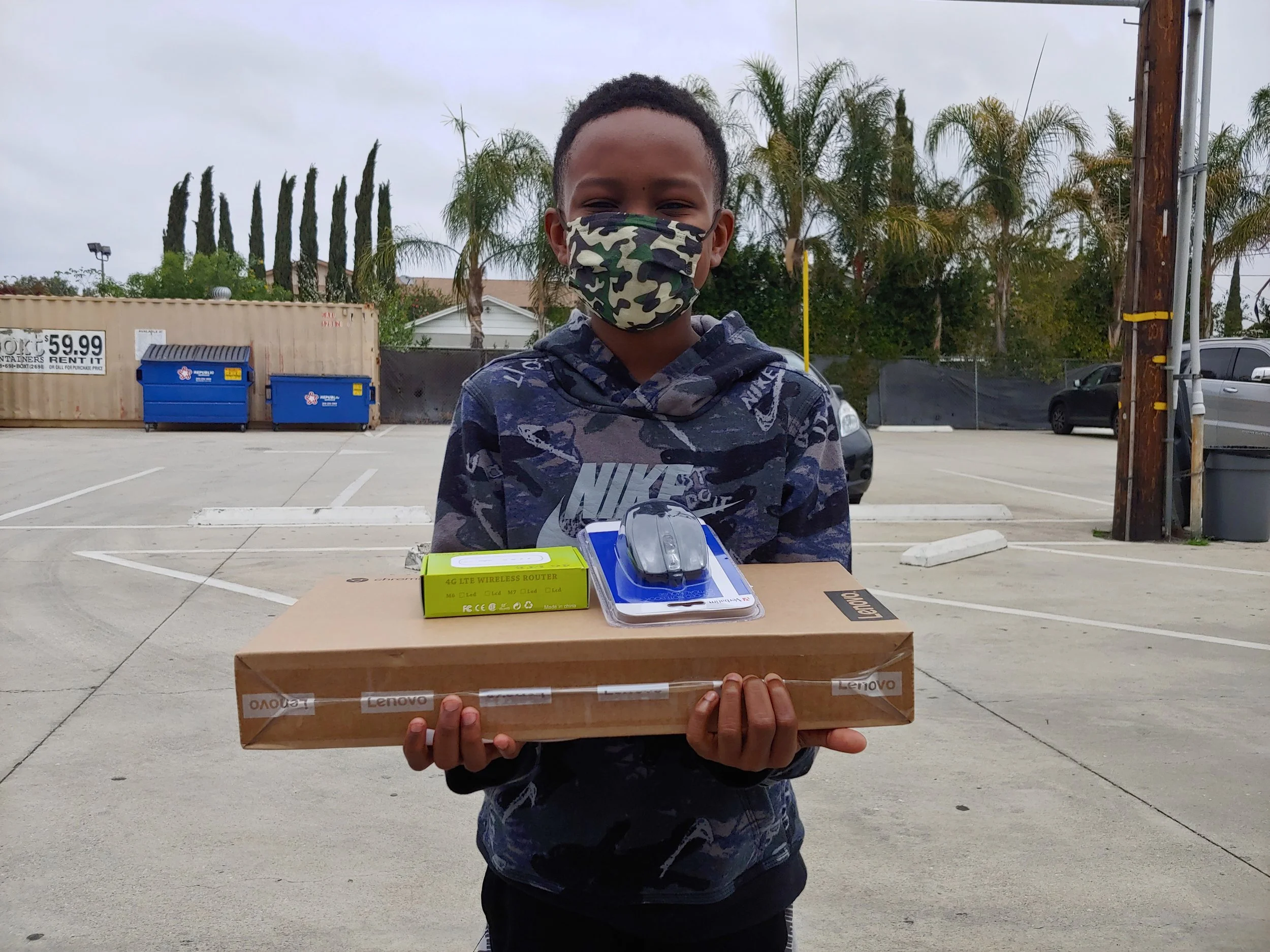
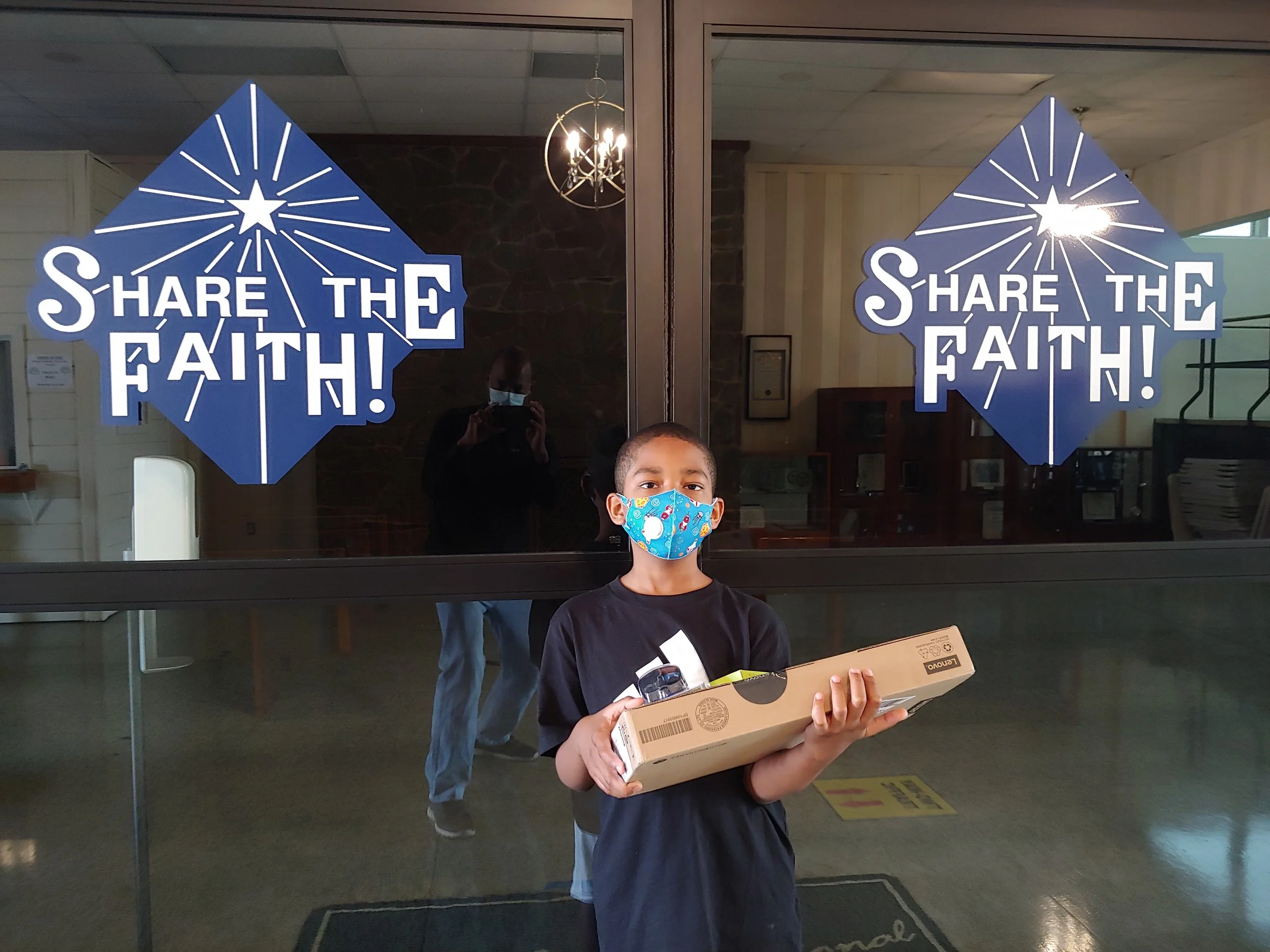
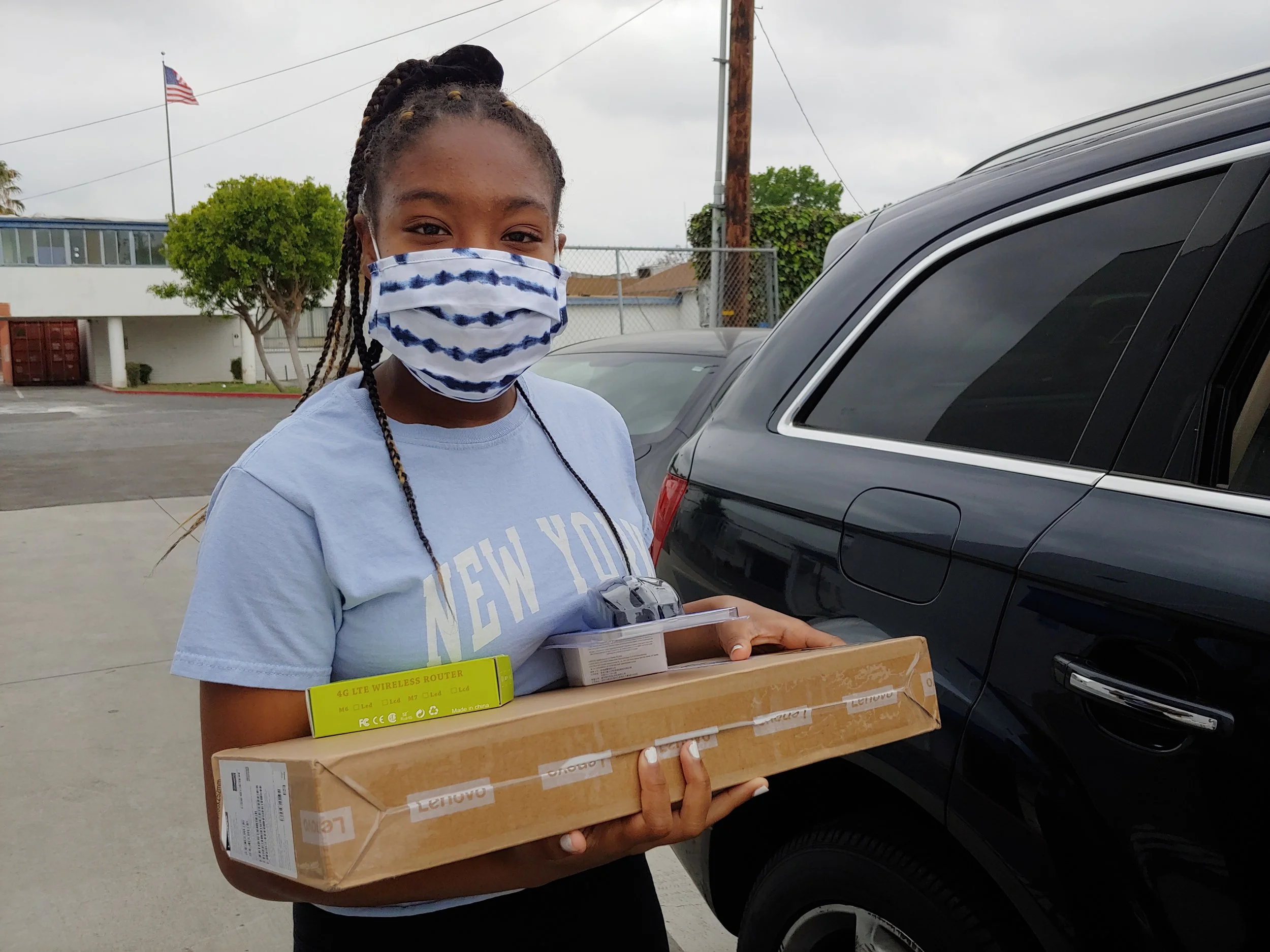
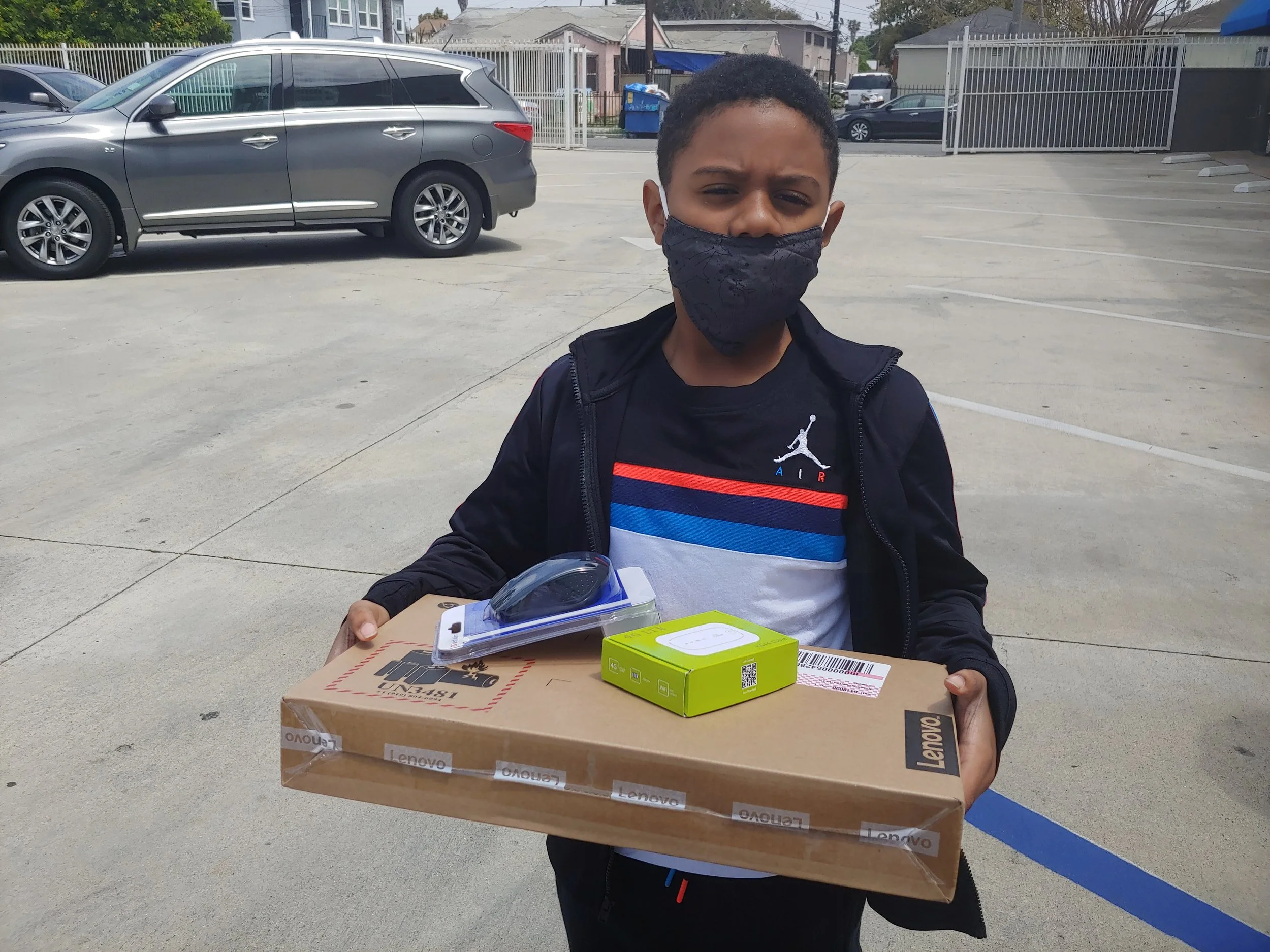
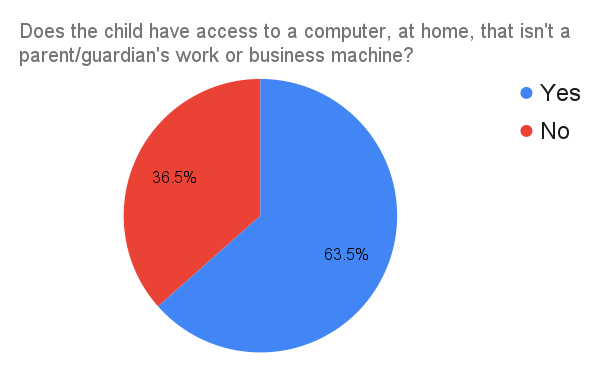
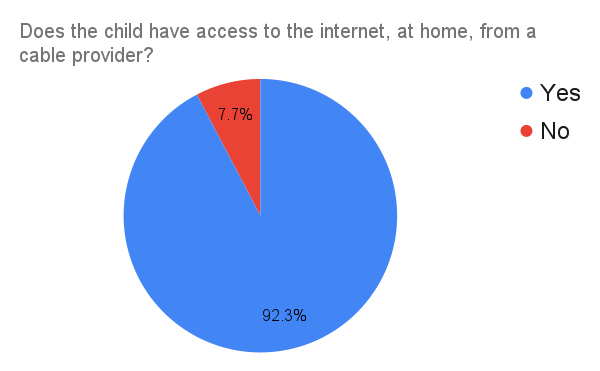
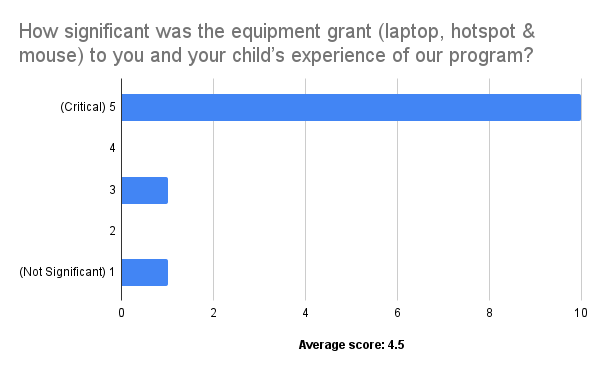
Every student, from LA County, received a Chromebook laptop (with touch-screen interface), a three-button mouse (for use with modern 3D content creation tools) and a mobile internet hotspot (with an active data plan paid for by the program). We used these tools to create a COVID-safe remote learning experience for our young scholars. In addition to being an effective social-distancing solution, the remote structure of our program offered a convenient logistics solution for parents who needed to juggle child transport and time management concerns.
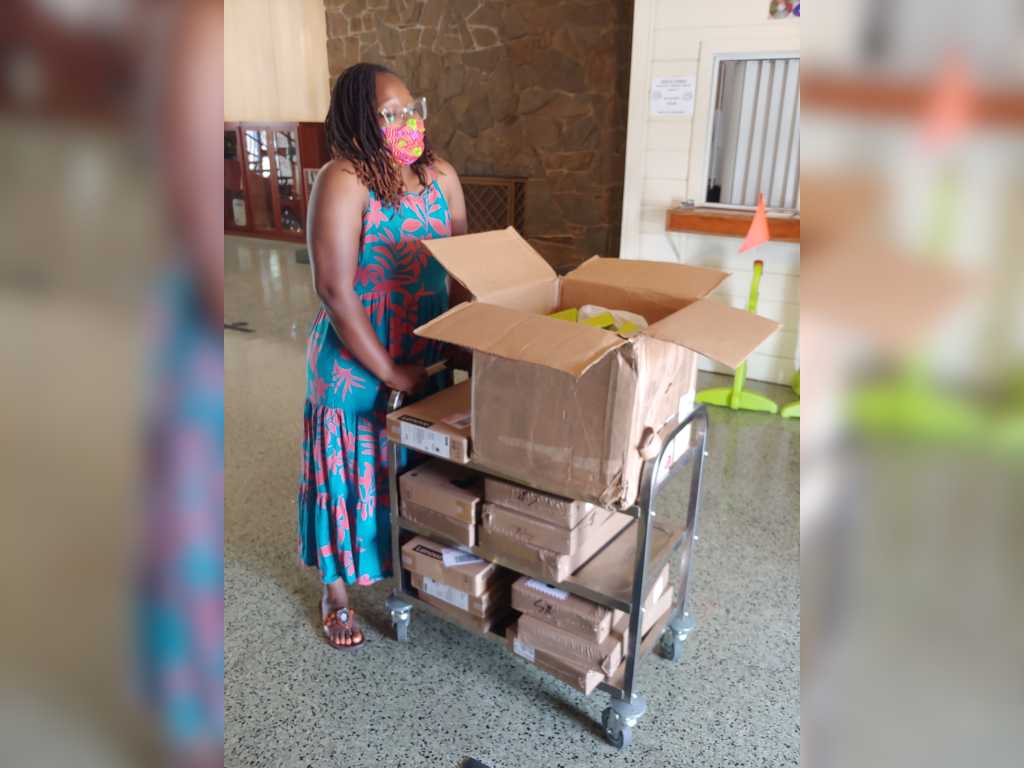
Erica brings computer equipment for the South Los Angeles community.
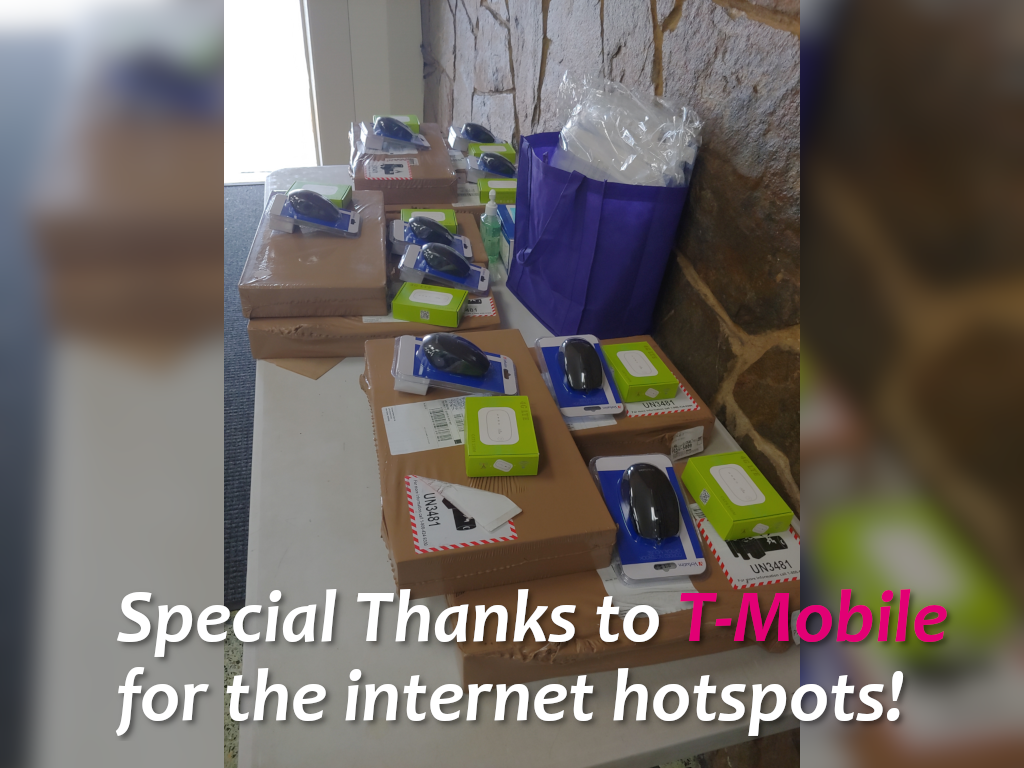
The Chromebook, internet hotspot and 3-button mouse are organized into bundles for our students.
Our Students
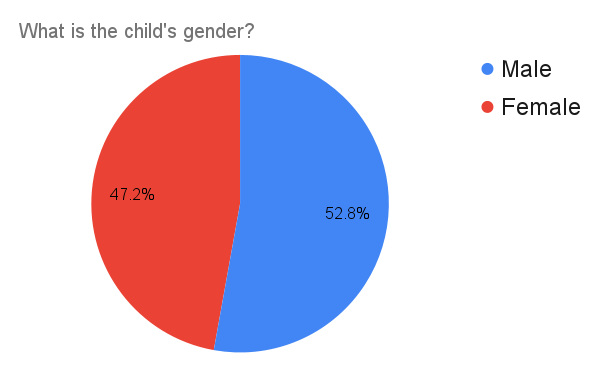
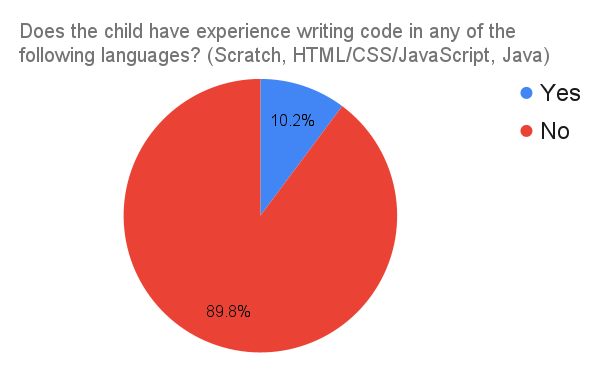
About 66% of our students were between the ages of 7-12 and the other third were of ages 13-17. We had a near even split of boys and girls. They came from diverse backgrounds but they all had one thing in common: very little exposure to Computer Science. However, these young people didn’t let that stop them from learning. They didn’t allow it to stop them from being excited about making 3D video games and Scratch apps and animations. They dove into the lessons and engaged our instructors to complete a wide variety of digital projects.
Our StAFF
We would like to recognize the generous contribution of the Faithworks Compton organization for providing a nonprofit structure for our program. We would especially like to call out Anjetta Venters-Bowles for her relentless efforts toward the financial health of our program operations. We couldn’t have serve the community properly without this assistance. We are very grateful.
Implementing good ideas requires money. That is the reality of serving large groups of people. Erica Harris understands this constraint and her grant acquisition skills and instincts were critical in finding financial opportunities and filling out the complex paper work. Her leadership and her compassionate heart for the betterment of young people is an awesome blessing to us all.
All of our instructors (Brittany McDaniel, Richard Rodriguez & Michael Hau) have had formal training in the fundamental principals and practices of Computer Science. They leveraged their tech degrees and teaching desires to sew a seed in the next generation of software developers. They delivered expert labs and lectures on the Zoom and Google Classroom platforms. Our students had access to them during class-time, in smaller break-out room sessions and via email correspondence. I am proud of the support structure they built to empower our student body.
Anjetta Venters-Bowles (Faithworks Treasurer)

Richard Rodriguez (Coding Instructor)
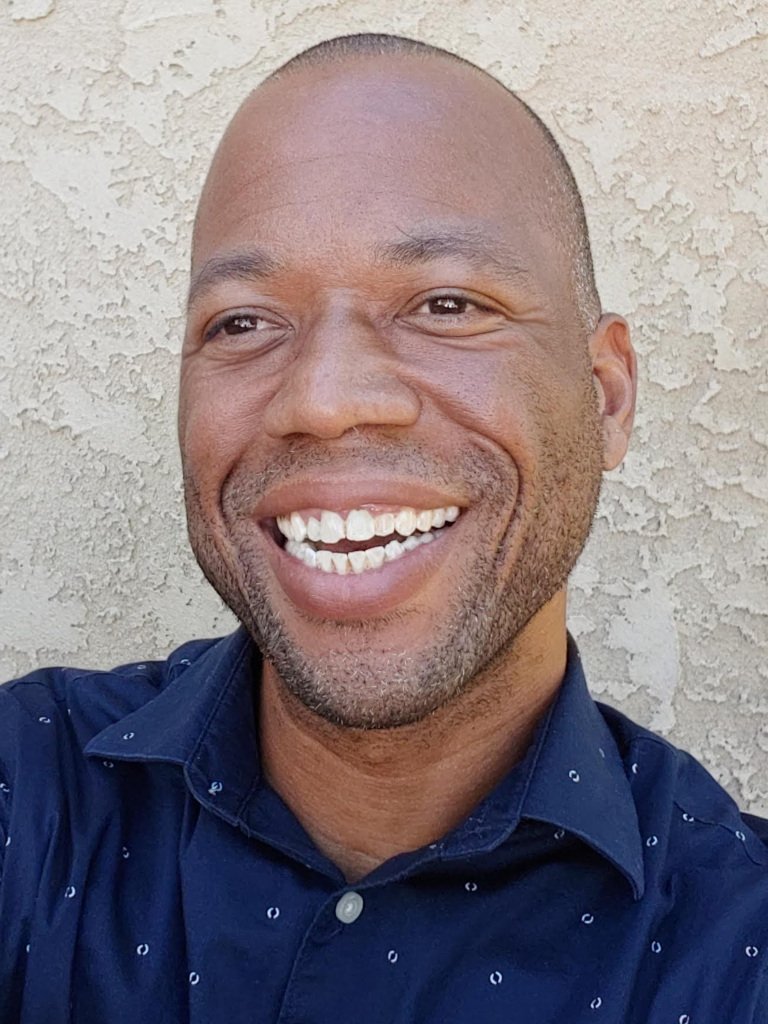
Kwesi Davis (Program Director & Instructor)

Brittany McDaniel (Coding Instructor)
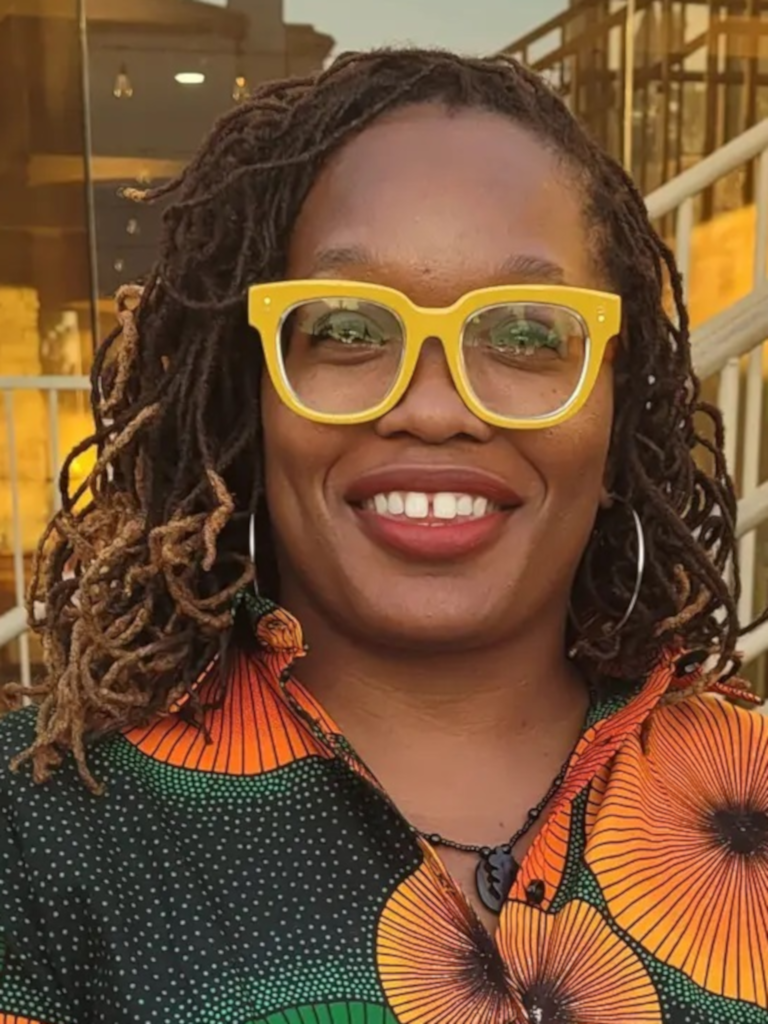
Erica Harris (Executive Assistant)
Michael Hau (Coding Instructor)
THE Community We Serve
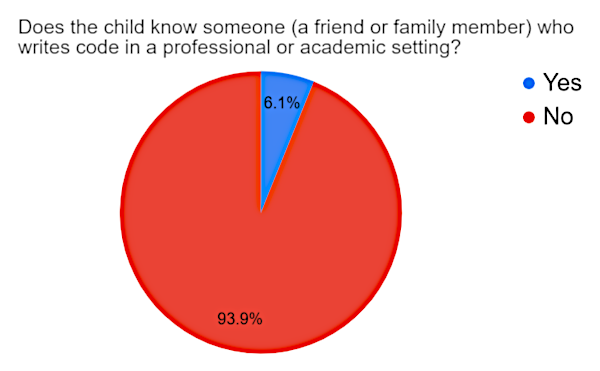
The most shocking insight we learned from our intake data was that 94% of our students didn’t know any person who had experience coding. They were not members of a strong technical community. We worked hard to give them a positive first-impression of technology and technically minded people. Each child needs to know, “I am not the only person who enjoys making games and gadgets!” Each child needs to know they are not alone in this tech journey and they have personal access to people who can help guide them. On Zoom, they can see each other and communicate with each other. On Google Classroom, they can see their instructors and they can reach out to them. Most of all we like demonstrating to them that racial and/or socioeconomic obstacles are easily overcome when we, as a community, work together.
Lessons Learned
Our younger students, ages 7-12, stuck with Scratch for most projects and dabbled in Playcanvas only a little bit. Young people are very comfortable with the drag-n-drop visual programing interface that Scratch provides. They thrive on the immediate feedback and the dynamic animation of the platform.
Our older students (13-17), however, quickly graduated from Scratch apps and learned to master the complex 3D interface and text JavaScript development environment of the Playcanvas 3D gaming platform. They enjoyed integrating the arts/entertainment with real-time game dev technology.
All of our students studied the core concepts of Java programming language. We covered the following Java development topics:
declare/initialize numeric & string variables
increment/decrement variables by some arbitrary amount
know the relational & logical operators
construct an If-statement
construct a For-loop
populate & iterate an array
define/call a function
define/instantiate a class object
compile/execute a Java application
Some of the game tutorials we used during the program are listed below. We believe in opensource community concepts. All of our lessons are free and available for the general public to exploit and enjoy. Feel free to contact us and collaborate with us.
Scratch: https://scratch.mit.edu/

Playcanvas: https://playcanvas.com/
Scratch Projects
These lessons demonstrate how to move sprites, author costumes, handle events, play sounds, design logical flow control, use hardware sensor data, create data variables and digitally paint pictures.
Playcanvas Projects
These tutorials show students how to use transforms, rotations and scale and how to setup rigid body physics, colliders, character state-machines and keyboard interaction.
Independant Study
Our students were strongly encouraged to work on our extra credit Hacker Challenges projects outside of our regularly scheduled class time. Students earned a special prize for taking on the added work, but only got credit for their efforts if they made a public presentation of their finished product to their classmates. The following video is an instance of one such presentation.
Exit Exam
Although building flashy Scratch apps and 3D animated Playcanvas projects is fun, we also believe in challenging our students with the traditional rigor of compiled text-based programming languages like Java. We devoted time, in every class session, to learning Java keywords and writing proper Java syntax. We ran our Java programs and we debugged them as well. And at the end our many month long learning journey we presented our student with a cumulative final examination. Our students were asked a variety of technical question related to the following Java syntax topics:
Variable Types and Declarations
Operators
Loops
Arrays
Methods & Classes
Final Java Grade: B+
The median score on the final exam was 320 /370 points (or 86%)
Parent Feedback
We obviously cannot function with out the consistency, motivation and dedication of our awesome parents. We love it when parents engage with us and share their experience and the experiences of their children. The need our parents to steer the process so we can deliver and effective learning environment for their children.




testimonies
We believe we made a positive and lasting change in the lives of the young folk involved in our workshops. They were exposed to new technologies. They acquired new technical skills. They reinforced existing dreams of excellence in tech. We believe we made a difference, but don’t take our word for it. Browse the responses and observations of our parents below.
“Algorithm & Flow is a wonderful, wonderful program that our family is so thankful to participate in!!!! The boys look forward to the Coding classes weekly. They do not want the program to end. The instructors do a great job explaining concepts in a way that children understand and apply in and out of class. Mr. Kwesi has great energy and connects well with all the children. It would be great for this program to get a research grant to look at the impact on the children, allowing them to attend annually and follow up 5-10 years from now. How many will go into the field? How many will use their knowledge and skills in school, college, work settings or as an entrepreneur.”
“This has been a great experience for [my child]. This is a great program to get kids involved and be interested in coding.”
“Great program. [my child] looks forward to it every week. Thank you!”
“Thank you for offering this coding program. My child loves this class and loves learning”
“My kids are very happy with the program and they loved the class.”
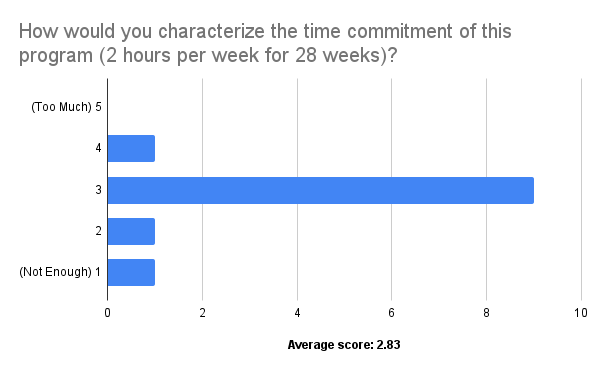
“My daughter appreciated and enjoyed coding class. It has been a bit challenging once the school year started due to school obligations and other extracurriculars now that things are opening back up. I believe a certain schedule during the summer and a modified schedule of one day per week around 7pm would be ideal during the school year.”